
If you’re a homeowner in the Chicagoland area, your sewer line is one of the most important, and often overlooked, parts of your home’s plumbing system. Hidden underground, your main sewer line carries wastewater safely away from your home every day. When problems occur, prompt sewer line repair in Chicagoland can help prevent costly property damage, sewage backups, and major plumbing emergencies.
Understanding the most common sewer line problems, what causes them, and how they’re repaired can help you catch issues early and avoid major damage. Below, we’ll cover the warning signs, common causes, repair options, and maintenance tips every Chicagoland homeowner should know.
Several issues can affect your home’s main sewer line. Whether your home is newer or decades old, recognizing these warning signs early can help you avoid more extensive sewer line repair in Illinois.
Tree roots in sewer line systems are one of the leading causes of sewer damage throughout Chicagoland. As roots search for moisture, they naturally grow toward tiny cracks, loose joints, or aging pipe connections. Once inside the pipe, the roots continue to expand, eventually restricting wastewater flow and causing serious blockages or even broken sewer pipes.
Common signs include:
Tree root intrusion is especially common in older Chicagoland neighborhoods with mature trees and aging sewer infrastructure. Left untreated, tree roots can lead to extensive sewer damage requiring professional sewer repair or replacement.
Cooking grease, oils, fats, food scraps, wipes, and other non-flushable items gradually build up inside sewer pipes. Over time, this narrows the pipe and restricts wastewater flow.
Unlike a simple sink clog, buildup inside the main sewer line can affect multiple drains throughout the house.
Many Chicagoland homes were built decades ago and still have original clay, cast iron, or Orangeburg sewer pipes. These materials naturally deteriorate over time.
Older sewer lines may develop:
As these problems worsen, sewer backups become more frequent.
Illinois experiences seasonal freeze-thaw cycles that can cause soil movement underground. Heavy rainfall, drought conditions, nearby construction, or settling foundations can also shift the ground.
This movement places stress on buried sewer pipes, leading to cracks, separated joints, or misaligned sections.
Not every sewer issue involves broken pipes. Sometimes the line simply becomes blocked by:
Professional drain cleaning is often enough to restore proper flow before the blockage causes a backup.
Several factors contribute to sewer line damage over time.
The most common causes include:
While some causes are unavoidable, many sewer issues can be prevented with regular inspections and proper care.
The best repair depends on the condition of your sewer line. After performing a sewer camera inspection, a professional plumber can recommend the most effective solution.
The first step is identifying exactly what’s happening underground.
A high-definition sewer camera is inserted into the pipe, allowing technicians to locate:
This eliminates guesswork and ensures the correct repair is recommended.
For many clogged sewer lines, sewer rodding is the fastest solution.
A specialized cable with cutting blades breaks through:
Rodding restores flow while allowing the plumber to determine whether additional repairs are necessary.
Hydro jetting uses high-pressure water to thoroughly clean the inside of sewer pipes.
This process removes:
Unlike traditional drain cleaning, hydro jetting cleans the full diameter of the pipe, helping reduce future clogs.
If the sewer pipe is damaged but still structurally repairable, trenchless sewer repair may be an excellent option.
Instead of digging up your yard, driveway, or landscaping, trenchless technology repairs or relines the existing pipe with minimal excavation.
Benefits include:
Many Chicagoland homeowners choose trenchless repairs because they preserve landscaping while restoring the sewer line.
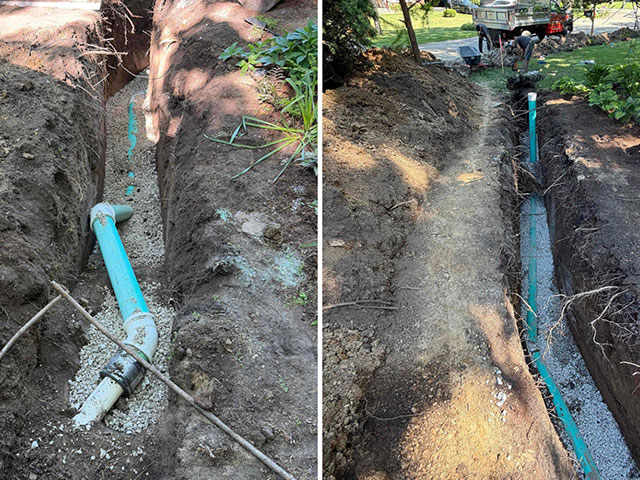
If the pipe has completely collapsed or suffered severe structural damage, excavation and replacement may be the safest long-term solution.
Although more invasive, replacing a failed sewer line ensures your plumbing system can operate reliably for decades.
The best way to avoid expensive repairs is through routine sewer line maintenance. Preventative care helps identify small problems before they turn into major sewer emergencies.
Homeowners can reduce the risk of sewer line damage by:
If your home has experienced previous root intrusion or sewer backups, annual sewer maintenance can significantly reduce the likelihood of recurring problems.
A sewer backup is one of the most urgent plumbing problems a homeowner can face. Wastewater backing up into sinks, tubs, floor drains, or toilets is often a sign that the main sewer line has become blocked or damaged.
Professional sewer backup repair begins by identifying the exact cause using a sewer camera inspection. Depending on the findings, your plumber may recommend sewer rodding, hydro jetting, trenchless sewer repair, or sewer line replacement.
The sooner a sewer backup is addressed, the more likely it is that additional damage to your home can be avoided.
Only flush toilet paper and human waste.
Never flush:
These materials commonly contribute to sewer blockages.
If you’re planting new trees, avoid placing them directly above sewer lines.
Large-rooted trees can create costly problems years later.
Homes that have experienced previous root intrusion or buildup often benefit from scheduled sewer cleaning.
Routine maintenance helps remove developing blockages before they interrupt daily life.
Don’t ignore:
Addressing these symptoms early can often prevent a much larger repair.
Professional diagnosis allows plumbers to identify the root cause of the problem rather than simply treating the symptoms. Whether your home needs routine maintenance, sewer backup repair, or complete sewer line repair in Chicagoland, experienced technicians can recommend the most effective and cost-efficient solution.
With modern equipment like sewer cameras, hydro jetting systems, and trenchless repair technology, today’s sewer repairs are faster, more accurate, and often far less disruptive than homeowners expect.
At 24/7 Services, we understand the unique plumbing challenges that come with owning a home in the Chicagoland area. From tree roots in sewer line systems and aging pipes to harsh Illinois weather and shifting soil, our experienced team has seen—and solved—it all.
We proudly provide professional sewer line repair in Chicagoland and throughout northeastern Illinois, offering comprehensive sewer services that include:
Our licensed professionals accurately diagnose the problem, explain your repair options, and recommend the best long-term solution, not just a temporary fix.
Whether you’re dealing with recurring drain clogs, a sewer backup, damaged pipes, or tree roots in your sewer line, our team is ready to restore your plumbing system quickly and professionally.
If you’ve noticed slow drains, sewage odors, recurring clogs, or wastewater backing up into your home, don’t wait for the problem to get worse. Professional sewer line repair in Illinois can prevent extensive damage and restore your plumbing system before a minor issue becomes a major emergency.
At 24/7 Services, we proudly provide expert sewer line repair in Chicagoland, preventative sewer line maintenance, sewer inspections, trenchless sewer repair, and emergency sewer backup repair. Contact our team today to schedule an inspection and keep your home’s sewer system flowing safely and efficiently.
Tree root intrusion is one of the most common causes, followed by grease buildup, aging pipes, and shifting soil.
Depending on the damage, repairs may include sewer rodding, hydro jetting, trenchless sewer repair, or full sewer line replacement after a camera inspection.
Routine sewer inspections, preventative drain cleaning, avoiding grease and non-flushable items, and addressing slow drains early can help prevent major sewer issues.
Common signs include multiple slow drains, sewage odors, gurgling toilets, recurring clogs, or wastewater backing up into tubs or floor drains.


Copyright ©2025 24/7 Services Inc. All Rights Reserved