
Your home’s plumbing is like its circulatory system—when it operates perfectly, you never think about it. Yet, a single hidden mistake can silently cause thousands in water damage, structural decay, and mold. According to insurance industry data, faulty indoor plumbing drives some of the most expensive homeowner property claims.
Beyond simply making water flow, true property protection requires strict code compliance. There is a massive difference between pipes that merely drain and a legally compliant setup designed to protect your family’s health. To safeguard this high-stakes investment, applying essential plumbing installation practices ensures your invisible infrastructure remains completely reliable and dry.
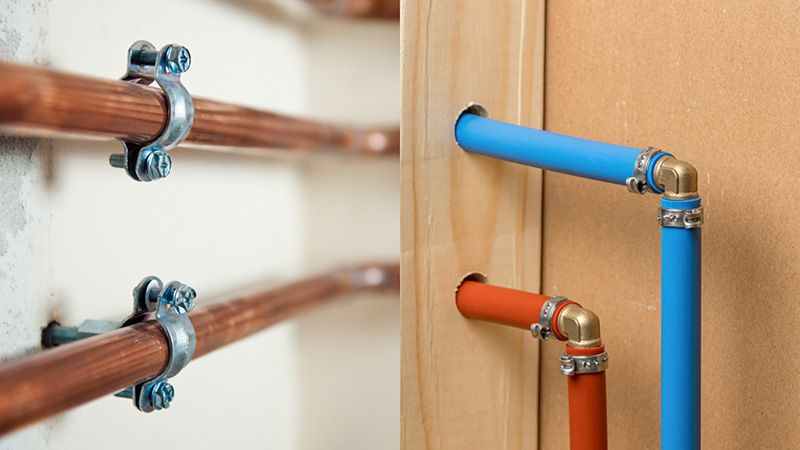
When tackling a plumbing repair and installation, deciding between traditional metal and modern plastics impacts your budget and home’s safety. For decades, copper was the undisputed gold standard for its durability. Today, cross-linked polyethylene (PEX)—a heavy-duty, highly flexible plastic—has completely transformed how professionals route water through walls.
Choosing the right plumbing pipe materials comes down to your property’s specific needs. Consider this comparison of PEX vs. copper piping for home water lines:
While PEX often delivers better immediate savings for indoor remodeling, copper remains ideal for exposed areas. Yet, delivering clean water to your fixtures is only half the battle. Once that water goes down the drain, it relies on an entirely different system to escape smoothly without choking or gurgling.
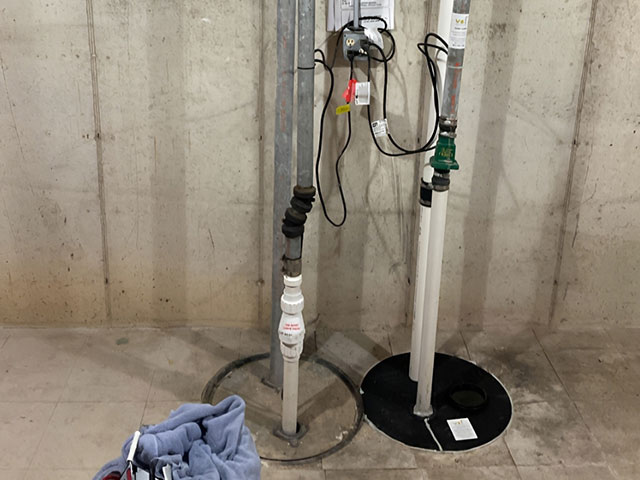
While gravity pulls wastewater away, it cannot work alone. Try pouring water from an upside-down soda bottle—it glugs and splashes because air cannot enter. Proper drain-waste-vent (DWV) system design introduces air behind the water, stopping vacuums from slowing your drains.
Without a rooftop air-intake pipe called a vent stack, that vacuum will suck dry the water resting in your drain’s curved pipe (the P-trap seal). When this water barrier vanishes, hazardous sewer gases drift indoors. You can identify a poorly designed DWV system by watching for these three signs:
Catching a missing vent early requires careful blueprinting and layout planning long before the drywall goes up.
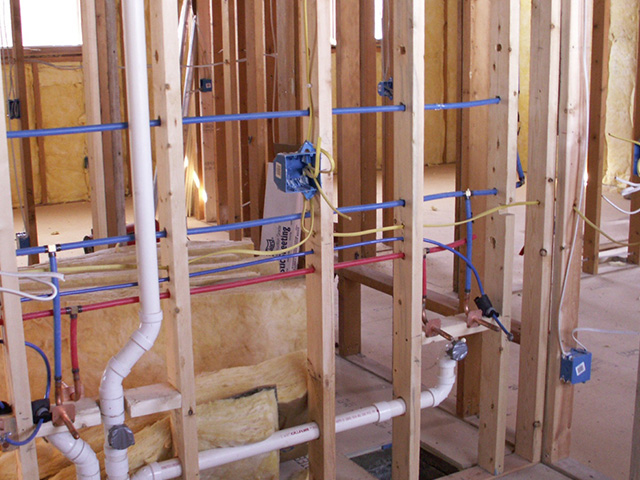
Before a single beautiful faucet is attached, plumbers divide their work into two distinct stages: the “rough-in” (routing pipes through open wall framing) and the “trim-out” (connecting the visible fixtures later). Finalizing your residential plumbing layout and schematic planning ensures your contractor knows exactly where every sink and shower belongs before the walls are closed. Moving a pipe two inches during the rough-in phase costs practically nothing, but shifting that same pipe after the drywall goes up can cost thousands.
Because this intricate pipe network will soon be permanently hidden, strict safety compliance is non-negotiable. Your contractor must adhere to local building codes for residential plumbing systems, which dictate essential details like proper pipe sizing and secure mounting. City inspectors will heavily scrutinize the exposed framework to verify it meets these standards. Following a professional step-by-step guide to rough-in plumbing guarantees your project passes this vital inspection, proving the system is leak-free before insulation conceals the work.
Even perfect installations need safeguards against unexpected leaks, bringing us to your home’s most critical safety feature.
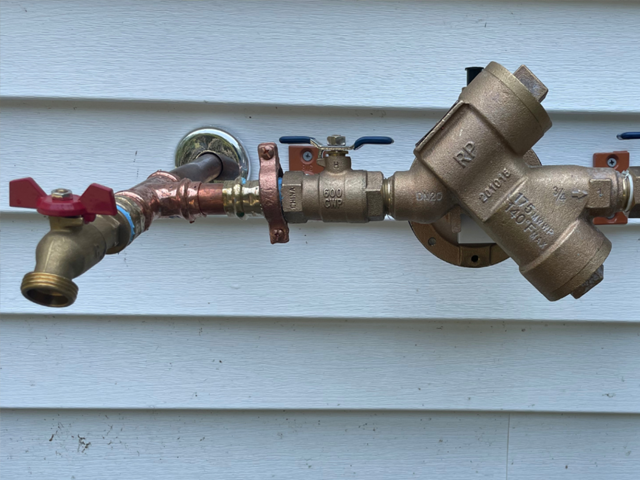
While locating your current water meter helps, true peace of mind requires installing main water shut-off valves for safety indoors. Upgrading to a quarter-turn ball valve—a lever that completely stops water flow with a simple 90-degree twist—creates an accessible emergency stop button. This addition is vital for ensuring proper water pressure in new layouts by managing your home’s PSI (Pounds per Square Inch, the exact force of water pushing through your pipes) so connections do not burst.
Proper equipment prevents expensive damage during the final connections. Keep these essential plumbing fixture installation tools ready:
Verification acts as your ultimate defense against hidden damage. Testing for leaks after new pipe installation requires a simple 15-minute observation: turn the water on, slide paper towels under the new connections, and watch for any tiny drips.
While replacing a simple faucet is an easy project, weighing DIY plumbing vs. hiring a professional plumber becomes critical for major upgrades. Whole-house plumbing installation requires a significant investment that drastically boosts your property value. Similarly, meeting strict energy-efficient water heater installation requirements delivers excellent financial returns through lower long-term utility bills.
Identifying a licensed plumbing contractor protects your home. A reliable expert acts like a general contractor, managing crucial behind-the-scenes legalities so you do not have to. Always verify this checklist:
You no longer have to view your pipes as an intimidating maze. By applying these essential tips, you confidently step into the role of an informed homeowner, equipped to ask the right questions and ensure your home’s circulatory system flows perfectly.
Start your next project by partnering with a licensed professional like 24/7 Services to guarantee code compliance. Applying these fundamentals protects both your daily peace of mind and your property’s long-term resale value, ensuring a stress-free, watertight home upgrade.


Copyright ©2025 24/7 Services Inc. All Rights Reserved