
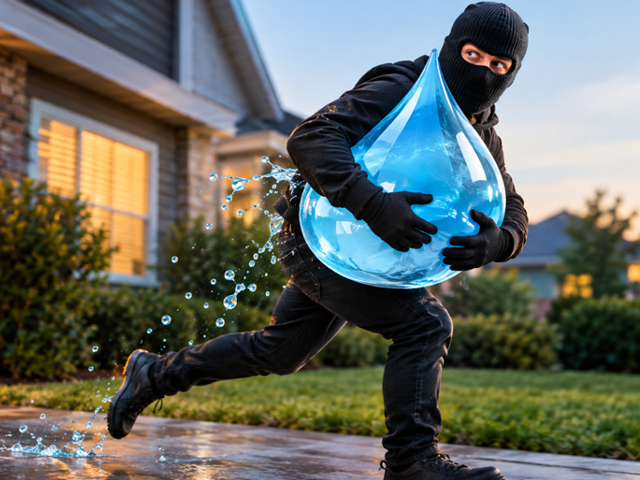
Every month, your water bill arrives, and you pay it without thinking twice. But what if some of that money is disappearing before you even use the water you pay for? Hidden water leaks, running toilets, high water pressure, and old water heaters can raise home costs. They can also put your home at risk.
The good news? You don’t always need an expensive repair to stop wasting water. Some plumbing problems have simple DIY solutions, while others require a professional plumber to prevent costly damage.
At 24/7 Services, we help homeowners find plumbing and sewer problems. We explain their options and help them make informed repair decisions. Here’s how to spot hidden water leaks in your home.
Learn what you can safely check yourself. See when calling a professional can save you money over time.
1. The Running Toilet: A Small Problem With a Significant Price Tag
A running toilet is one of the most common causes of wasted water. If you hear your toilet refilling when nobody has flushed, water may be flowing from the tank to the bowl.
Even a small, steady leak can waste significant amounts of water over time. That means a higher water bill without any additional benefit to your household.
DIY fix: Check the toilet flapper.
Remove the tank lid and inspect the rubber flapper at the bottom. If it’s warped, deteriorating, or failing to seal properly, water can escape into the bowl.
Try these steps:
Replacing a worn flapper is often an inexpensive DIY repair. However, a faulty fill valve, damaged flush valve, or persistent leak may require professional toilet repair.
Money-saving tip: Check every toilet in your home, including guest bathrooms. A toilet can leak silently for weeks or months before you notice a change in your water bill.
2. Hidden Plumbing Leaks: The Water You Never See
Not every plumbing leak creates a puddle. Leaks behind walls, under sinks, beneath floors, and around pipe connections can go unnoticed. They may not be found until they cause water damage, mold growth, or structural problems.
Watch for these warning signs:
DIY fix: Perform a water meter test.
First, turn off faucets, washing machines, dishwashers, ice makers, and other water-using appliances. Make sure toilets aren’t refilling. Check your water meter and note the reading, then wait 30–60 minutes without using water.
If the meter changes, you may have a leak. Keep in mind that some meters show very small changes. Some plumbing systems or appliances may also affect the results. If you have a private well, your setup may require a different approach.
You can also inspect visible supply lines beneath sinks and around toilets for drips or corrosion. Tightening an accessible connection may help in some situations, but avoid overtightening fittings or attempting repairs on damaged pipes.
If you suspect a hidden leak, a professional plumber can find it before you need demolition or major repairs.
When to call a plumber: If water enters walls, ceilings, or electrical areas, call a plumber at once. If you cannot find the source, arrange professional help promptly. If the leak is substantial, shut off the water supply if it is safe to do so.
3. High Water Pressure: More Pressure Doesn’t Mean Better Performance
Strong water pressure might feel like a luxury, but excessive pressure can put unnecessary stress on your plumbing system.
Over time, high pressure can contribute to leaking connections, premature fixture wear, damaged appliance hoses, and other plumbing problems. It may also make small weaknesses in older pipes more likely to become noticeable.
DIY check: Measure your home’s water pressure.
You can buy a pressure gauge at a hardware store.
Attach it to a hose-thread connection, like an outdoor spigot, if your setup allows.
Many home plumbing systems use about 40 to 80 psi. Around 50 to 60 psi often feels best. Local plumbing codes and your home’s configuration may affect the appropriate setting.
If pressure consistently exceeds 80 psi, have it evaluated by a qualified plumber. A pressure-reducing valve may need adjustment or replacement. If the pressure fluctuates significantly, there may be another issue that needs investigation.
Avoid changing pressure controls unless you understand your system. Be extra careful if you have a pressure-reducing valve or other special equipment.
Money-saving tip: Fix high water pressure early to help prevent repeat leaks. It can also extend the life of plumbing fixtures and connected appliances.
4. Water Heater Leaks: Know When a Repair Becomes Urgent
Your water heater works behind the scenes every day, but a leak can quickly turn into a costly problem.
Look for water around the base of the tank.
Check for corrosion near pipe joints.
Look for damp areas around the unit.
Watch for unexplained changes in hot water. A small amount of moisture may come from condensation or a plumbing connection.
But you should never ignore water that keeps coming back.
DIY checks homeowners can make:
Do not remove access panels, open electrical compartments, or attempt to repair gas connections yourself.
If a tank is leaking from its body, it may be nearing the end of its service life and require replacement. A leaking connection or component may be repairable, depending on the condition of the unit.
Safety first: If you see a lot of water leaking from an electric water heater, do not touch wet parts.
Avoid any electrical parts or equipment. If you smell gas, leave the area and contact your gas utility or emergency services from a safe location. Have a qualified professional assess the equipment.
A timely water heater inspection can help you understand whether repair or replacement is the more practical investment.
5. Slow Drains and Sewer Problems: Don’t Let a Small Clog Become a Big Bill
A slow drain may seem like a minor inconvenience, but repeated clogs can signal a deeper plumbing or sewer issue.
Hair, grease, soap residue, and food particles can restrict household drains. In other cases, tree roots, damaged pipes, or buildup in the sewer line may interfere with wastewater flow.
Look for these warning signs:
DIY fix: Start with the simplest solution.
For a slow sink, remove and clean an accessible stopper, then try a plunger designed for the fixture. In some situations, a hand-operated drain snake can remove nearby debris.
Avoid pouring grease down kitchen drains, and be cautious with chemical drain cleaners. These products can damage certain pipes, create hazards, and complicate professional repairs.
If many fixtures are backing up, or sewage is entering your home, stop using them. Contact a professional plumber right away.
24/7 Services offers plumbing and sewer services to help homeowners investigate recurring drain problems, identify potential sewer line issues, and determine the appropriate repair. Depending on the cause, solutions may include drain clearing or sewer line repairs. Trenchless sewer repair may work when pipe and site conditions allow it.
Don’t ignore repeat clogs. Clearing the immediate blockage without addressing the underlying cause may mean paying for the same problem again.
6. Your Money-Saving Plumbing Checklist
Preventive maintenance doesn’t have to be complicated. A few routine checks can help you catch warning signs before they become expensive emergencies.
Use this simple monthly checklist:
You can also compare water usage across billing periods to identify unexpected changes. Seasonal changes, guests, irrigation, and appliance use can raise water use. A higher bill does not always mean a leak.
The goal is to find problems early, rank repairs by risk, and avoid replacing equipment that can still be safely repaired.
7. When DIY Stops Saving You Money
Being cost-conscious doesn’t mean tackling every plumbing problem yourself. Replacing a toilet flapper or cleaning a sink stopper can be a reasonable DIY project. Repairing concealed pipes, investigating sewer backups, and working on gas or electrical components can involve substantially greater risks.
Before agreeing to a repair, ask your plumber:
A trustworthy plumber should explain the problem in plain language. They should outline practical options. They should help you understand possible costs and risks before work begins.
At 24/7 Services, our goal is to help homeowners make informed decisions about their plumbing and sewer systems. Whether you need help tracking down a hidden leak, resolving a recurring drain problem, or evaluating a water heater issue, understanding the cause is the first step toward a sensible solution.
Stop the Hidden Water Thief Before It Costs You More
Your home shouldn’t waste water while your utility bill keeps climbing. A running toilet, leaking pipe, pressure issue, or failing water heater may start small. Fixing it early can reduce water waste and prevent avoidable damage.
Start with the simple checks you can safely perform yourself. If you find a persistent leak, repeated sewer backup, or a problem you can’t diagnose, don’t wait.
Need help finding the source of a plumbing or sewer problem? Contact 24/7 Services to discuss your concerns and explore your repair options. Our team can help you understand what’s happening, what needs attention, and how to move forward with confidence.
Visit 247services.com or call 833-DIAL-247 to learn more about our plumbing and sewer services.
Save water. Protect your home. Make informed repair decisions with 24/7 Services.


Copyright ©2025 24/7 Services Inc. All Rights Reserved